The Benefits of Preventative Maintenance for Your Elevator

Preventative maintenance is the systematic maintenance of your elevator to ensure that everything is working properly. Here are the benefits:

What is preventative maintenance? 

Preventative maintenance is the systematic maintenance of your elevator to ensure that everything is working properly. It’s having your elevator checked, even if there aren’t any immediate or apparent issues. This is the opposite of reactive maintenance, which is just fixing the problems with your elevator as they arise, and includes lubrication, parts replacement, repairs, and other adjustments. 

Benefits of preventative maintenance

Some business owners are reluctant to pay for preventative maintenance and opt to just fix problems with their elevators as they arise. This is a mistake. Preventative maintenance is more cost-efficient in the long run and reduces the risk of machine failure. 

It’s no secret that elevators undergo much wear and tear. Having routine preventative maintenance done reduces the risk of parts failing and the machine breaking down completely, rendering the elevator out of service until a technician can get there. If one part breaks, it can often put a strain on other surrounding parts which will then cause them to malfunction quicker. So, having all parts checked regularly prolongs the life of your equipment.

Cost

Starting a preventative maintenance program can seem costly, but it’s less expensive than reactive maintenance long-term. When something breaks unexpectedly, you have to pay for the technicians to come short notice (which sometimes includes having to pay for after-hours or rush service), ordering new parts that sometimes have to be expedited, and the amount of time for your technicians to diagnose the problem and fix it. All of this could have been avoided if your elevator was being checked regularly. 

Safety

Preventative maintenance is also in the best interest of your passengers. If you are having your elevator constantly checked, you can say with certainty that the elevator is safe. Also, people are accustomed to having a working elevator, especially if the elevator is used to move heavy items, so when an elevator is out of service, it causes irritation and lowers productivity. 

Preventative maintenance is essential to the life of your elevator and the satisfaction of your passengers. If you have any questions about preventive maintenance contact us today!

Remodeling Your Elevator Cab’s Interior

Remodeling your elevator cab is cheaper than getting a new cab altogether and automatically adds value to your space.

First impressions are everything. You most likely put a lot of thought into how your lobby was going to look because it’s the first thing people see when they enter your business. It plays a significant part in people’s first impressions. But what most people don’t think about is the elevator. 

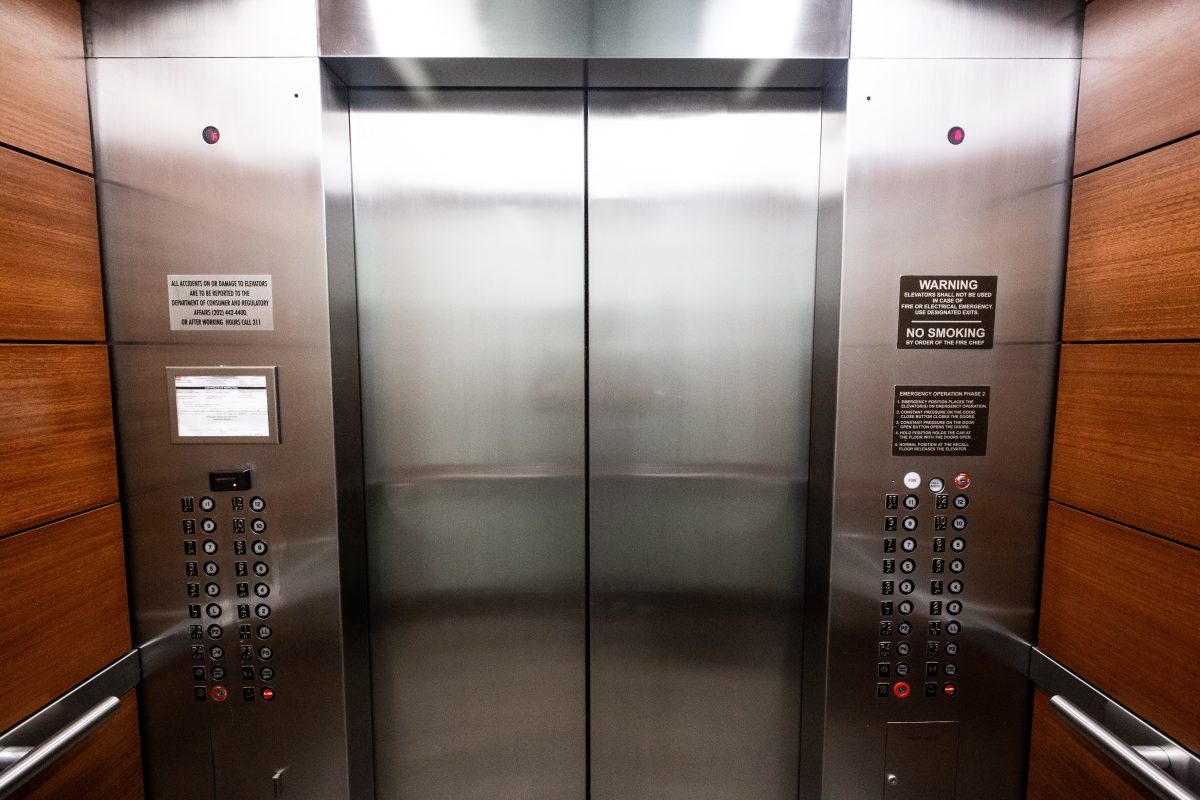
People may spend even more time in your business’ elevator than in the lobby, so you should make sure your elevator cab is up to par with the rest of your space. The easiest way to do this is with a simple remodel. Remodeling your elevator cab is cheaper than getting a new cab altogether and automatically adds value to your space. Modernization can also extend your elevator’s life for 20 to 25 additional years. Here are some things you should check out in your current elevator to see if you need some upgrades.

  1. Lighting. Is one of your lights flickering? Is the lighting dim? Lighting is one of the most important aspects of your elevator cab because it contributes to passengers feeling comfortable inside. Because your elevator lights are always on, LED lights are a good option because they brighten up the space and are also cost-effective. 
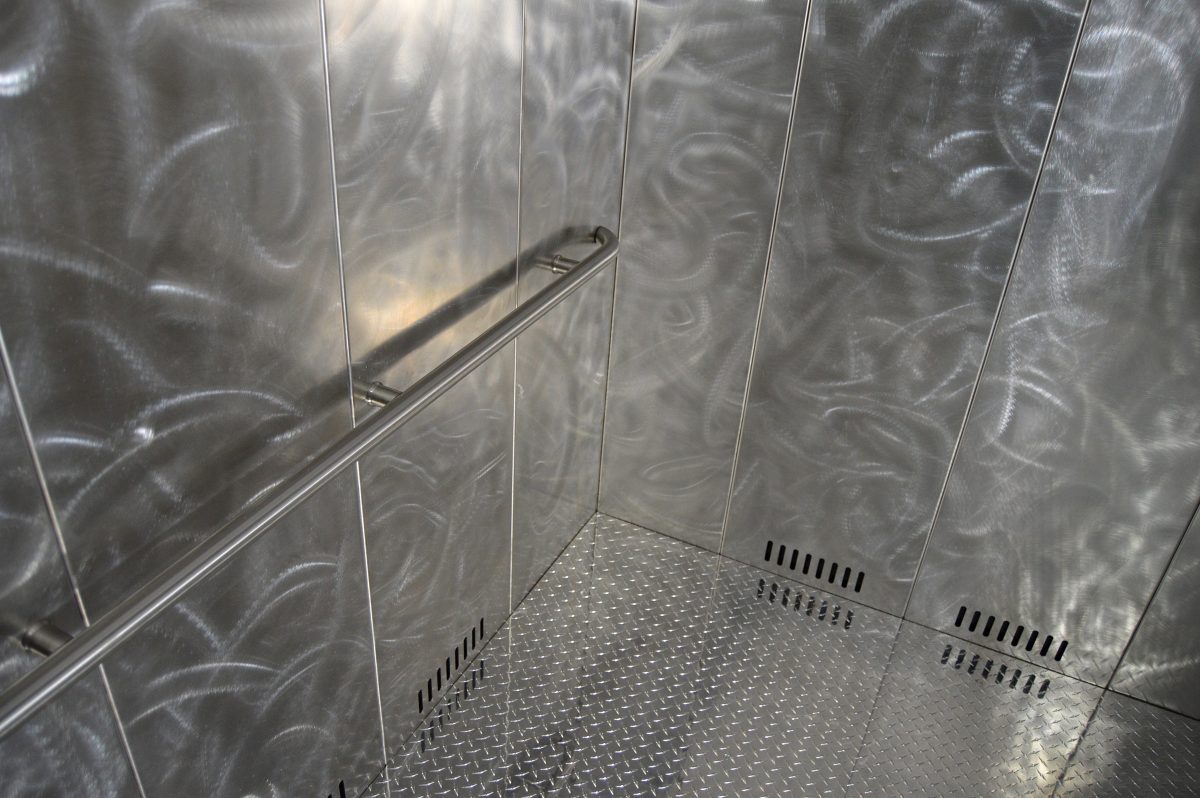
  2. Wall Panels. The walls of your elevator contribute to the overall feel, just like paint in a room. Maybe it’s time to upgrade the pattern, texture, or color. Unlike painted walls in a room, elevator walls often get beat up by people coming in and out with bags, boxes, etc. Check to see if your walls look beaten up, it may be time to have them refurbished. It might also be a good time to take a close look at anything hanging on the walls in your cab. Are your posters or advertisements out of date? Are you utilizing the space the best way to promote your business and your services? 
  3. Handrails. Handrails are something you may not notice in your elevator but are important to a passenger’s experience inside the cab. Passengers often grab the handrailing as the elevator goes and stops to keep balance, especially those who are elderly. Also, handrails can be used to help balance heavy packages while a passenger is inside. Make sure your handrails look clean and aren’t loose, sagging, or beat up. 
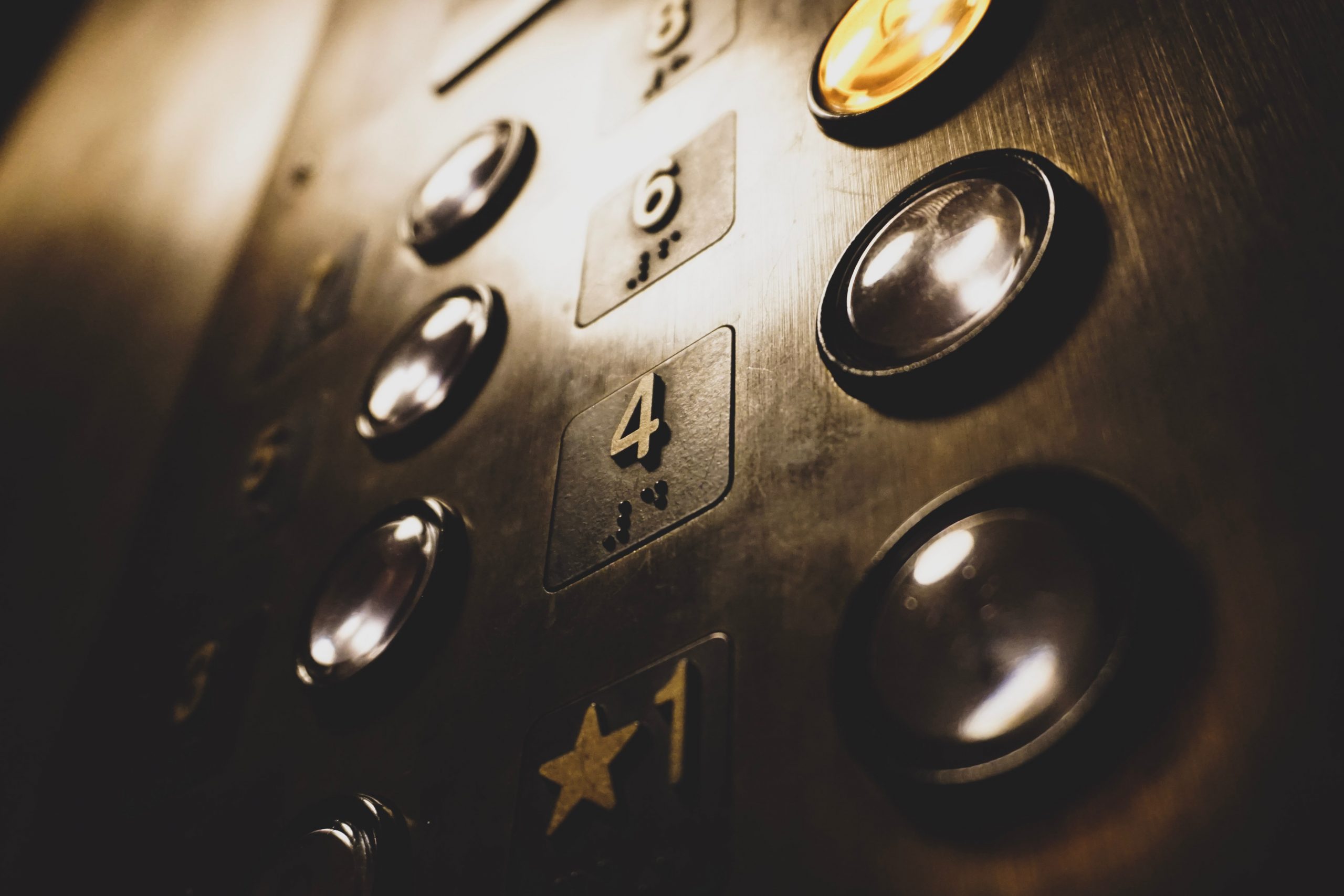
  4. Car Operating Panel. The operating panel refers to the buttons that tell the elevator which floor you’re going to. It is important that the buttons light up properly and are readable. All of this can be upgraded during elevator cab modernization. Another upgrade to consider is ensuring that your panel is accessible for all.

Overall, modernization maximizes your investment in your elevator. If you have any questions or would like to talk about the benefits of remodeling your cab, please contact us.

3 Interesting Elevators You Probably Didn’t Know About

Do you know what the tallest elevator in the world is? Here are 3 interesting elevators you probably didn’t know about.

We typically discuss some of the more complex and technical aspects of elevators in our blog posts, but we are switching it up today. Here are 3 of the most interesting elevators in the world that you probably didn’t know much about.

1. World’s Tallest elevator 

According to the Guinness Book of World Records, the tallest elevator in the world is located within the Mponeng Gold Mine in South Africa. The elevator takes workers down 7,490 feet in just three minutes. It can reach speeds of up to 40 mph and can carry up to 120 workers at once. After this elevator, there’s another one that takes the miners to the lower levels, another 4,000 feet. The world’s tallest elevator inside a building is located inside the Burj Khalifa in Dubai. It’s 1,654 ft long. 

2. The Gateway Arch elevator

The Gateway Arch is located in St. Louis, Missouri. According to the monument’s website, it was created to “commemorate Thomas Jefferson’s vision of a transcontinental United States” and was completed in 1965. Since its creation, people have come from all over to visit the monument and take the ‘elevator’ to the top. We use the term elevator lightly because it’s more like a combination of an elevator and a Ferris wheel. It’s typically referred to as a tram. It takes about 4 minutes to get to the top of the arch, and each cart can hold 5 seated people. During the trip to the top and back, the capsule rotates 155 degrees, relying on the weight of the passengers to keep it balanced.

3. A’DAM Lookout elevator

The A’DAM Lookout is located in Amsterdam and has a 360-degree view of the city. The twenty-story elevator takes you to the top in just 20 seconds, but this is no ordinary elevator. The elevator features a spectacular light show with sound effects and a see-through ceiling. The elevator is just one part of the overall lookout experience. The building also features a giant swing on the top of the building, where you can hang almost 350 feet above the city. Other experiences include a VR Roller Coaster ride, an interactive binocular tour, a sky top bar, and a panoramic restaurant.

Now that you’re well versed in the most interesting elevators around the globe, you might have questions about your own home or commercial elevator. Need to get in touch? Just contact our team. 


Elevator FAQs: Your Top 3 Questions Answered

1. How often is an elevator serviced?

To make sure all equipment is working properly, Godwin Elevator recommends that an elevator be serviced once a year. Elevators are also inspected annually to ensure passenger safety. If an elevator is more than 20 years old, modernization will likely be recommended. Old equipment not only hinders the elevator’s overall performance but can sometimes create safety risks, so it’s important for old equipment to be evaluated to ensure it meets current safety standards.

2. Can an elevator free-fall

Most elevators are equipped with several safety devices. So, if one fails, there is always backup safety. And despite popular belief, an elevator won’t fall just because it’s overcrowded. In fact, if there is too much weight on an elevator, it typically won’t even begin moving. It will sound an alarm until enough passengers get off that the weight requirements are met. The only situations that could cause an elevator to free fall are fire or structural collapse. One of the most well-known instances was in 1945 when a plane hit the empire state building and severed an elevators’ cables. 

3. Are all elevators the same?

The short answer is no. Not only do elevators differ in type – hydraulic versus traction (read more about this on our blog,) but there are also several different categories for elevators:

Passenger: A passenger elevator is one used to carry people. Its primary purposes are convenience and accessibility, and they’re typically designed to carry less weight. Passenger elevators are typically rated somewhere between 2,000 and 3,000 pounds depending on building size. 

Freight: Freight elevators are intended to move goods, materials, and equipment only. They move more slowly and operate differently than passenger elevators. Most of the time, freight elevators open vertically while passenger elevators open horizontally. They also require separate buttons for things like calling the car, opening the doors, and closing the doors. This is to allow for greater control over the operation of the elevator. Because freight elevators are built out of necessity, not convenience, they don’t look as aesthetically pleasing and are built to carry heavier loads. Sometimes, the elevator is even customized to accommodate certain equipment. 

Limited Use Limited Application (LULA): LULA elevators work like a typical passenger elevator, but they are a bit smaller. They are designed specifically for handicapped residents or visitors to a building. They typically only move two or three stories and are rated for fewer passengers or less weight. Many people opt for one of these types of elevators because they are cheaper and take up less space.

Residential: Residential elevators are the smallest type of elevator and are built into homes for single-family use. 

If you have any elevator questions of your own, please contact us today!

How an Elevator Works

You’ve probably stepped onto an elevator hundreds of times, but have you ever questioned how it works?

You’ve probably stepped onto an elevator hundreds of times, but have you ever questioned how it works? How it balances your weight to keep you from falling? After taking a look behind the scenes, you may never look at an elevator ride the same way again.

In 1861, Elisha Graves Otis created what would be the first iteration of the elevator that we use today. It was the first time anyone had created an elevator equipped with a safety feature, a device to keep it from falling if the lifting rope broke. Today, there are two types of elevators that are typically used – and lucky for us, both come equipped with safety features standard.

The Hydraulic Elevator

Hydraulic elevators are comprised of a cylinder, hydraulic fluid, a piston, a fluid reservoir, a rotary pump, and a valve. When the elevator needs to go up, the pump sends fluid into the cylinder which closes the valve. This pressurizes the fluid and moves the piston up. To go down, the valve opens and fluid is released back into the reservoir. The machine room to house the mechanism for a hydraulic elevator is typically located on the lowest floor. 

Safety Because of the hydraulic arm, the elevator car is never suspended in the air. It is always being held up, no matter where the elevator is. There are fewer moving parts than a roped elevator, so as long as you get your elevator maintained regularly, it’s completely safe. 

The Roped Elevator 

Roped elevators can travel much quicker than hydraulic elevators. These elevators include a counterweight to balance the car, the electric motor, breaks, metal chains and pulleys, and a safety system. It’s basically an elaborate rope and pulley system. The ropes are wrapped around a sheave that is connected to the electric motor. When the motor turns one way, the car goes up, and when it turns the other way, the car goes down. The ropes are connected on the other side to a counterweight that weighs as much as 40% of the elevator’s capacity. Typically all of this equipment is housed in a machine room above the elevator shaft. 

Safety Although one rope can easily carry the weight of the car and the counterweight Every roped elevator is built with multiple ropes. This is the first line of safety. Elevators are built with between four and eight ropes, typically, so if one breaks, there are plenty more to ensure the car doesn’t fall. Other than the ropes, the cars also have built-in braking systems just in case.

If this isn’t already more than you want to know about how an elevator works, feel free to contact us with any questions you may have! 

Cleaning & Disinfecting Commercial Elevators

It is more important now than ever to keep your elevators clean and disinfected. There are several solutions and cleaning methods that you can use to keep here are a few of our best suggestions. 

If you own or operate a commercial elevator, you probably already know you need to keep it clean. Elevators can collect the germs of dozens or even hundreds of people within a single day. Especially with the continuous spread of COVID-19, it is more important now than ever to keep your elevators clean and disinfected. There are several solutions and cleaning methods that you can use to keep here are a few of our best suggestions. 

Keeping It Clean

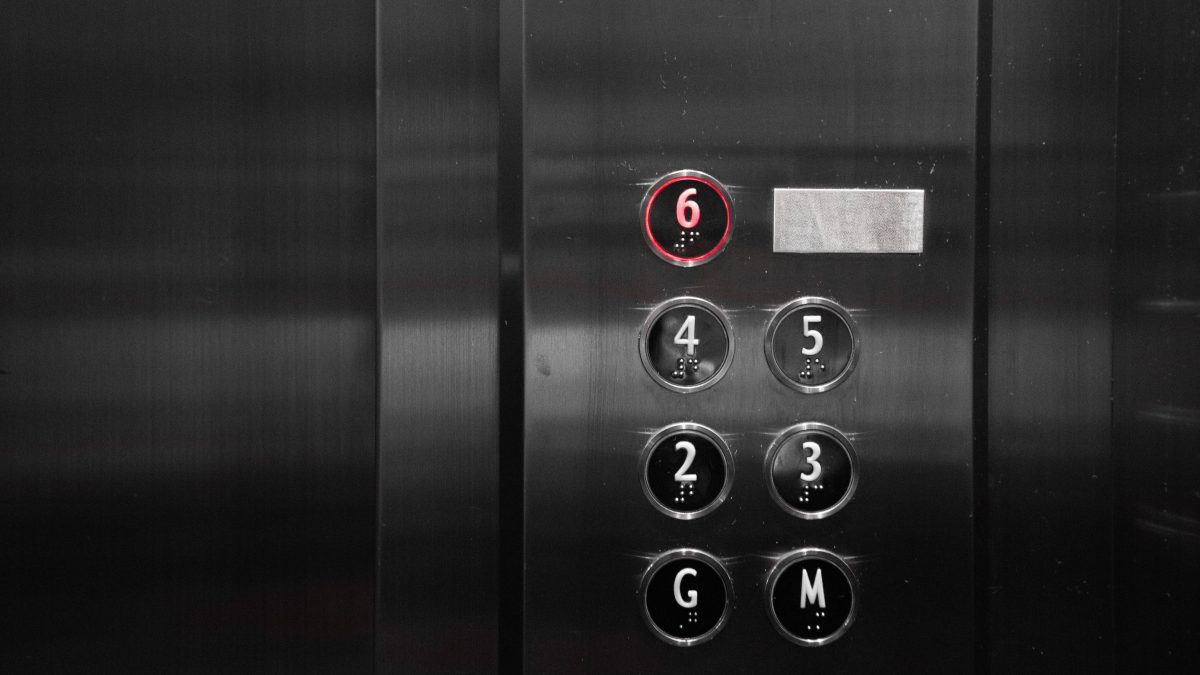
elevator buttons
Photo by Jason Dent on Unsplash

One of the most accessible and easy ways to keep your commercial elevator clean and safe is routine sanitation. Now that we know that COVID-19 can be transmitted by touching surfaces, it is more important than ever to disinfect at least once daily. Clean the high-touch surfaces in the elevator like rails, buttons, and doors. Keep in mind that using an alcohol-based cleaner could damage your buttons. As for the floors of the elevator, use a disinfecting solution that is safe for your floors and mop as normal. 

Surprisingly, the part of an elevator that collects the most dirt and debris is not one that people regularly come in contact with. The tracks – the grooved sets of lift entryways – are known for collecting tiny specks of dirt, grass, dust, and other nasty germs. The best way to clean your tracks is by using a high powered vacuum, along with a non-corrosive cleaner. 

Cleaning Tech

Along with a strict cleaning schedule, there are other measures you can take to eliminate the spread of germs in your elevator(s). Vantage Fixtures has created a foot pedal that is used to call the elevator to your floor. Instead of using traditional buttons and risking the spread of germs, the Toe-to-Go foot-activated elevator call button allows for hands-free use of the elevator. These are a great idea for elevators in high-traffic buildings and are something you should highly consider. 

Another cool piece of technology that we recommend is the natural purifier made by The Caspr Group. It eliminates air pollution and illness-causing pathogens on surfaces. This can be beneficial for disinfecting elevator buttons, railings, and the walls inside. This purifier converts water into hydrogen peroxide and uses special UV lighting to disinfect. And, you’ll only need to replace it once a year! 

Quick Tips

Here are our best quick tips for cleaning your elevator(s). 

  • Use a non-abrasive spray. An abrasive spray could damage your elevator buttons and fixtures and cost you down the line. Stay away from bleach as well. 
  • Use a disposable paper towel or microfiber cloth – never sponges – to clean the inside of your elevator(s).
  • Don’t spray directly on the surface. Instead, spray your towel first then wipe. 

If the COVID-19 pandemic has taught us anything, it’s that we can’t be too careful when it comes to cleanliness. Sticking to a routine cleaning schedule for your commercial elevator(s) is the best way to keep all who use them safe. Contact the Godwin team for any questions about cleaning and disinfecting your commercial elevators.